

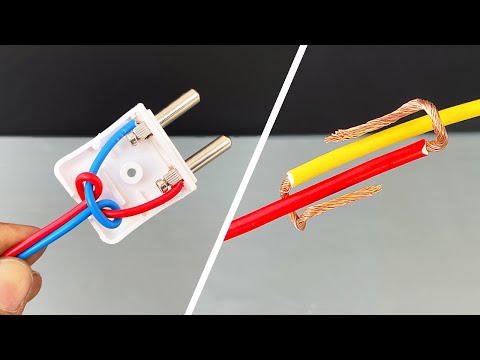







Wood Work Hacks: An introduction to our woodwork hacks. Keep reading and watching our videos for more hacks, tips and tricks.
Wood Work Hacks: A Practical Guide for Safer, Smarter Carpentry
Woodworking projects require precision, creativity, and safety. Consequently, this guide shares practical Wood Works Hacks for hobbyists, DIY enthusiasts, and professional carpenters seeking efficient and high-quality results.
Planning and Safety Fundamentals – Wood Work Hacks
Before starting any woodworking task, define clear project goals and gather all necessary tools. Additionally, inspect the workspace for hazards such as loose boards or clutter. Wear safety glasses, gloves, and hearing protection to prevent accidents. Meanwhile, measure and mark wood pieces accurately before cutting. Finally, document plans to maintain consistency throughout the project.
Essential Woodworking Tools and Equipment
High-quality tools improve both efficiency and results. For example, a table saw, circular saw, and hand saw are essential for most projects. Likewise, keep chisels, mallets, clamps, and hammers sharp and accessible. In addition, measuring tools like squares, callipers, and tape measures ensure precision. Meanwhile, a reliable workbench and dust collection system enhance both safety and workflow.
Cutting and Shaping Techniques – Wood Work Hacks
Use the correct saw blades or router bits for the wood type and thickness. Additionally, secure the wood firmly to prevent movement during cutting. Smooth rough edges with sandpaper or power sanders for cleaner finishes. Meanwhile, test cuts on scrap wood before working on the main pieces. Gradual shaping reduces mistakes and ensures better results.
Joinery and Assembly Hacks
Strong joints improve durability and stability. Therefore, select appropriate joinery methods such as dovetail, mortise-and-tenon, or biscuit joints. Use clamps to hold pieces in place while the glue sets. Meanwhile, check alignment frequently to avoid gaps or misfits. Additionally, pre-drilling holes reduces wood splitting during screw installation.
Finishing and Surface Protection
Finishing enhances both appearance and longevity. Sand surfaces progressively from coarse to fine grit. Apply primers, stains, or varnishes evenly for consistent coverage. Meanwhile, consider sealants or protective coatings for outdoor projects. Always inspect for rough spots and correct them before applying final finishes.
Troubleshooting Common Woodworking Issues
Wood projects may warp, crack, or have misaligned joints. Monitor moisture content and storage conditions. Tighten loose fittings and repair splits using wood filler or epoxy. Also, document effective techniques for future reference. Proper preparation prevents recurring issues and saves time.
Maintenance and Tool Care – Wood Work Hacks
Regular maintenance ensures tools stay safe and effective. Clean saws, planes, and routers after use. Oil moving parts to prevent rust and friction damage. Inspect blades and bits for wear and replace when needed. Meanwhile, organise storage areas for easy access and efficient workflow.
Final Thoughts on Wood Work Hacks
Wood Works Hacks combine safety, precision, and creativity for professional-quality results. Consequently, regular practice enhances skill, confidence, and efficiency. Sharing tips strengthens the woodworking community and encourages innovation. By applying these hacks, both beginners and professionals can achieve smoother, stronger, and more precise wood projects.
Comments
Comments are disabled for this post.