








Electrical Work Hacks: A Practical Guide
Electrical Work Hacks focus on safe, efficient, and well-planned electrical work. Whether for DIY electrical projects or professional tasks, this guide presents practical electrical hacks that help reduce risk, improve accuracy, and support better long-term results.
Electrical Work Hacks: Planning and Safety Fundamentals
Before starting any electrical work, begin with a clear plan and a permit check where required. Next, identify circuits, electrical loads, and possible hazards within the workspace. Most importantly, always turn off the power at the main source before working. In addition, wear protective gear and use insulated tools for added safety. Finally, keep a clearly labelled voltage tester nearby to verify that power is fully disconnected.
Tools and Equipment
Quality electrical tools save time and significantly reduce risk. For example, a voltage tester confirms that circuits are de-energised before contact. Likewise, insulated gloves provide extra protection when handling electrical components. Moreover, organise cables with ties to maintain a clean and safe workspace. Over time, investing in a reliable multimeter and circuit tester improves accuracy and confidence.
Wiring Basics and Common Jargon
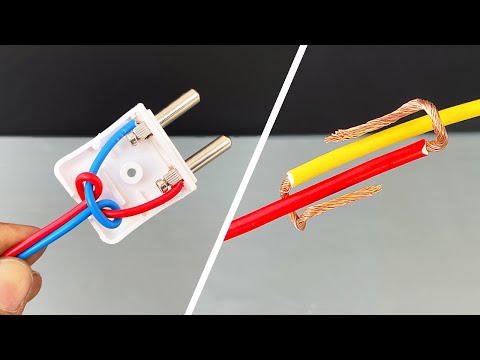
Understanding basic electrical terms is essential for safe work. For instance, amperage, voltage, resistance, and continuity describe how electricity flows. Additionally, knowing wire colour codes helps prevent wiring errors. When stripping wires, use proper techniques to avoid damaging insulation. Furthermore, keep splices secure with approved connectors, choosing push-in or twist-on types as required.
Circuit Planning and Layout
Proper circuit planning improves efficiency and safety. Therefore, plan wire routes carefully to minimise length and resistance. At the same time, label wires and outlets to simplify future maintenance. In addition, use junction boxes with enough space for safe connections. To avoid overloads, balance electrical loads across circuits. Finally, schedule testing after each major installation step.
Safety Hacks and Quick Fixes
Electrical safety should always remain a priority. For this reason, keep a first-aid kit and fire extinguisher within reach. Moreover, use backup power sources for critical equipment when necessary. Seal joints to prevent moisture damage, especially in damp areas. However, apply electrical tape only when appropriate. Most importantly, replace damaged cords and plugs immediately.
Lighting and Fixtures
Choosing the right lighting improves both safety and efficiency. For example, energy-efficient fixtures reduce long-term electricity costs. Additionally, plan lighting layers that include ambient, task, and accent lighting. When installing dimmers, ensure compatibility with bulbs. Meanwhile, conceal wiring neatly behind walls or floors. Always verify that fixtures are properly grounded and rated for the environment.
Troubleshooting Common Electrical Issues
Electrical problems often show early warning signs. For instance, fluctuating voltage may indicate loose connections. Likewise, buzzing sounds can signal overloaded circuits. Before replacing parts, check breakers and fuses first. In addition, test outlets for proper grounding and polarity. Documenting symptoms helps guide accurate and efficient repairs.
Code Compliance and Documentation
Following electrical codes protects both people and property. Therefore, comply with local electrical regulations at all times. Keep permits and inspection records up to date. Additionally, record wiring diagrams and maintenance notes for future reference. Use labelled photos to track system changes. Above all, maintain a clear and current electrical safety policy.
Electrical Works Hacks: Final Thoughts – Electrical Works Hacks
Electrical Work Hacks highlight the importance of safety, precision, and organisation in every electrical task. As a result, regular practice builds confidence and skill over time. By sharing electrical safety tips and lessons learned, communities become safer and more informed. Ultimately, safety should always come before speed in electrical work.
Comments
Comments are disabled for this post.