

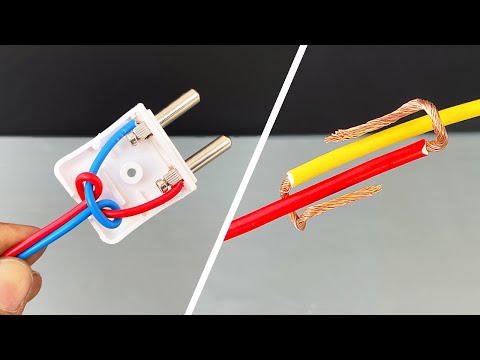








Electronics Hacks: A Practical Guide
Electronics hacks combine creativity with careful safety, testing, and precision. As a result, this guide presents practical electronics hacks for hobbyists, students, and professionals who want reliable results in electronics projects.
Planning and Safety Fundamentals – Electronics Hacks
Before beginning any electronics project, start with a clear scope and a basic safety checklist. Next, identify powered components, sensitive parts, and potential hazards. Most importantly, disconnect all power sources before wiring or soldering. In addition, wear eye protection and antistatic gear when required. Finally, use a clearly labelled multimeter to verify voltages before handling components.
Tools and Equipment
Quality electronics tools save time and improve reliability. For example, keeping a desoldering pump nearby allows quick corrections. Likewise, soldering with flux produces clean, durable joints that last longer. After soldering, inspect connections carefully for defects. Meanwhile, organising components with labelled trays and magnetic mats reduces mistakes. As a result, a good breadboard greatly accelerates prototyping.
Components and Schematic Reading – Electronics Hacks
Understanding electronic components is essential for successful builds. For instance, resistors, capacitors, diodes, transistors, and integrated circuits form the foundation of most electronics projects. Additionally, datasheets provide critical information about voltage, current, and tolerances. Before assembly, draw clear schematics to prevent wiring errors. Furthermore, learning resistor colour codes and capacitor types improves accuracy. Always verify polarity on sensitive components to avoid damage.
Circuit Assembly and Testing
Assemble circuits on a clean, non-conductive surface. Then, double-check pinouts and breadboard connections before applying power. To improve safety, use a current limiter during initial power-up testing. Power systems are gradually applied while observing circuit behaviour. In addition, document changes and test results to simplify future troubleshooting.
Prototyping Hacks and Quick Fixes – Electronics Hacks
Breadboards support rapid testing, iteration, and debugging. Additionally, pull-up or pull-down resistors help stabilise floating inputs. To speed up troubleshooting, label test points clearly. When problems occur, swap components with known-good parts to isolate faults. Moreover, heat shrink tubing improves insulation, durability, and overall safety.
Soldering and PCB Tips
Effective soldering begins with a clean iron tip and proper temperature control. Likewise, using flux improves wetting and joint quality. To avoid cold joints, apply thorough heat and inspect connections closely. Before powering PCBs, check traces and vias carefully. Finally, clean boards properly to eliminate shorts and residue.
Power Management and Safety – Electronics Hacks
Thoughtful power management prevents failures and overheating. Therefore, design circuits with realistic power budgets. Next, use voltage regulators and protection diodes where required. In addition, include fuses or polyfuses to protect components. Proper grounding and shielding also improve performance in sensitive electronics. Vent enclosures adequately to manage heat buildup.
Troubleshooting Common Issues
Electronics problems often reveal warning signs. For example, overheating components may indicate excess current. Similarly, ghost voltages often result from poor grounding. Intermittent faults may appear only when circuits move. To capture these issues, use data loggers or test instruments. Replace damaged wiring promptly to prevent repeat failures.
Code and Firmware Considerations
Clear firmware supports long-term reliability. For this reason, comment code for readability and maintenance. Additionally, use version control to track firmware changes. Test software frequently with simulators before deploying to hardware. Back up configurations to prevent data loss. Ensure bootloaders and recovery options are available.
Final Thoughts – Electronics Hacks
Electronics hacks highlight the importance of safety, structured planning, and thorough documentation. Consequently, regular practice builds confidence, accuracy, and problem-solving skills. By sharing electronics knowledge with others, communities grow stronger and safer. Focus on incremental improvements and careful testing for lasting success.
Comments
Comments are disabled for this post.